Expert Leaky Chimney Repair in SC & NC Areas!
9 Signs to Watch For
-
-
Water Stains: Brown/yellow stains on the ceiling or walls near the fireplace.
-
-
-
The Smell: A musty, damp, or earthy odor (often worse after rain).
-
-
-
Dripping Noises: Hearing water inside the chimney or fireplace.
-
-
-
Efflorescence: White, powdery salt deposits on the exterior brick and or inside the fire box.
-
-
-
Rust: Visible rust on the damper, firebox, or metal doors.
-
-
Puddles: Actual water sitting in the firebox.
-
-
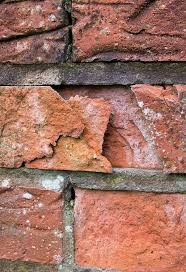
Spalling: Bricks that are flaking, peeling, or crumbling at the base.
-
-
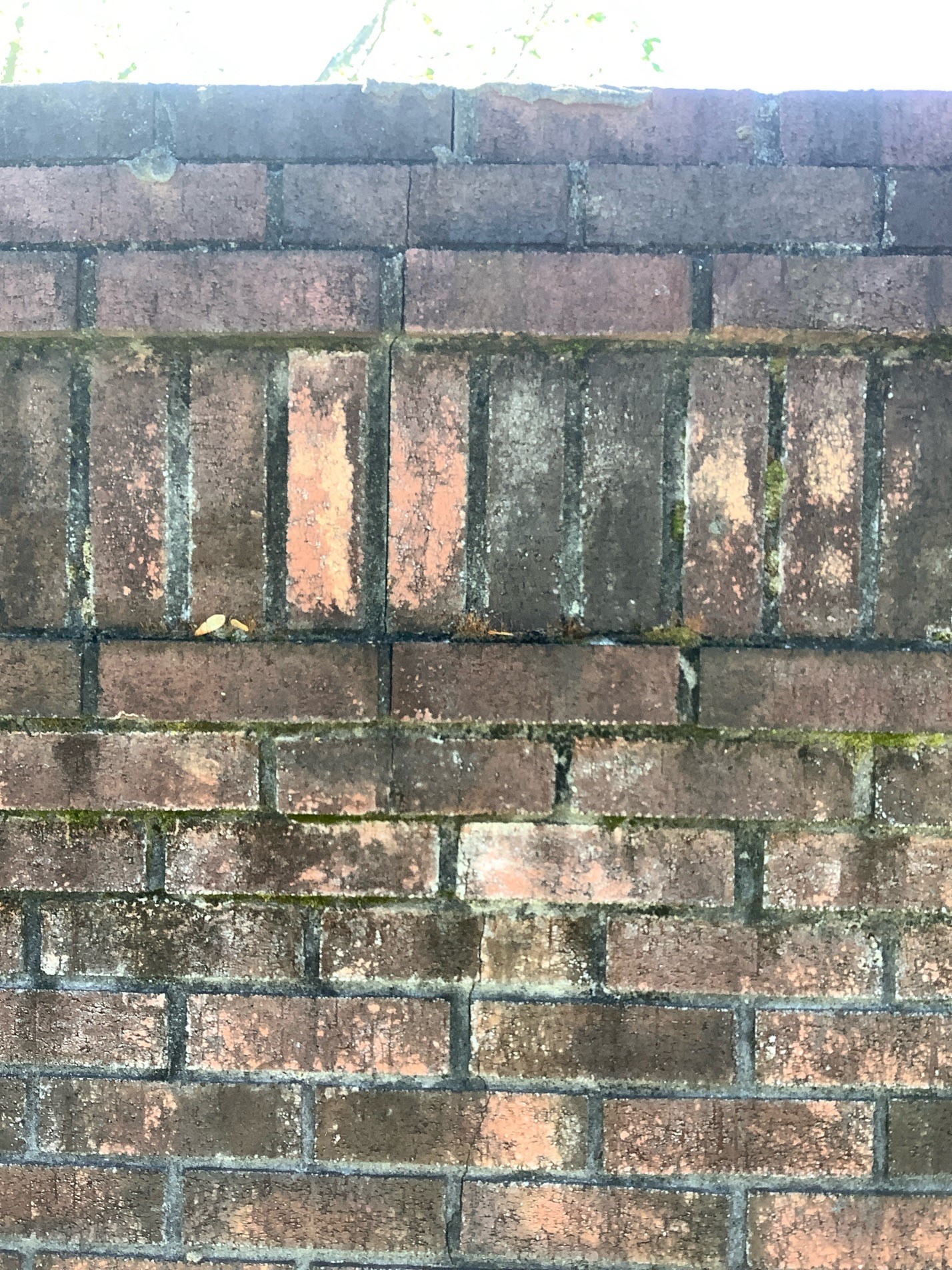
Moss (visible growth): Thicker, green, and spongy. It actually holds moisture against the brick, which can accelerate wear.
-
-
-
Algae (dark staining): Appears as black, green, or brown discoloration. It feeds on moisture and organic material on the surface.
-

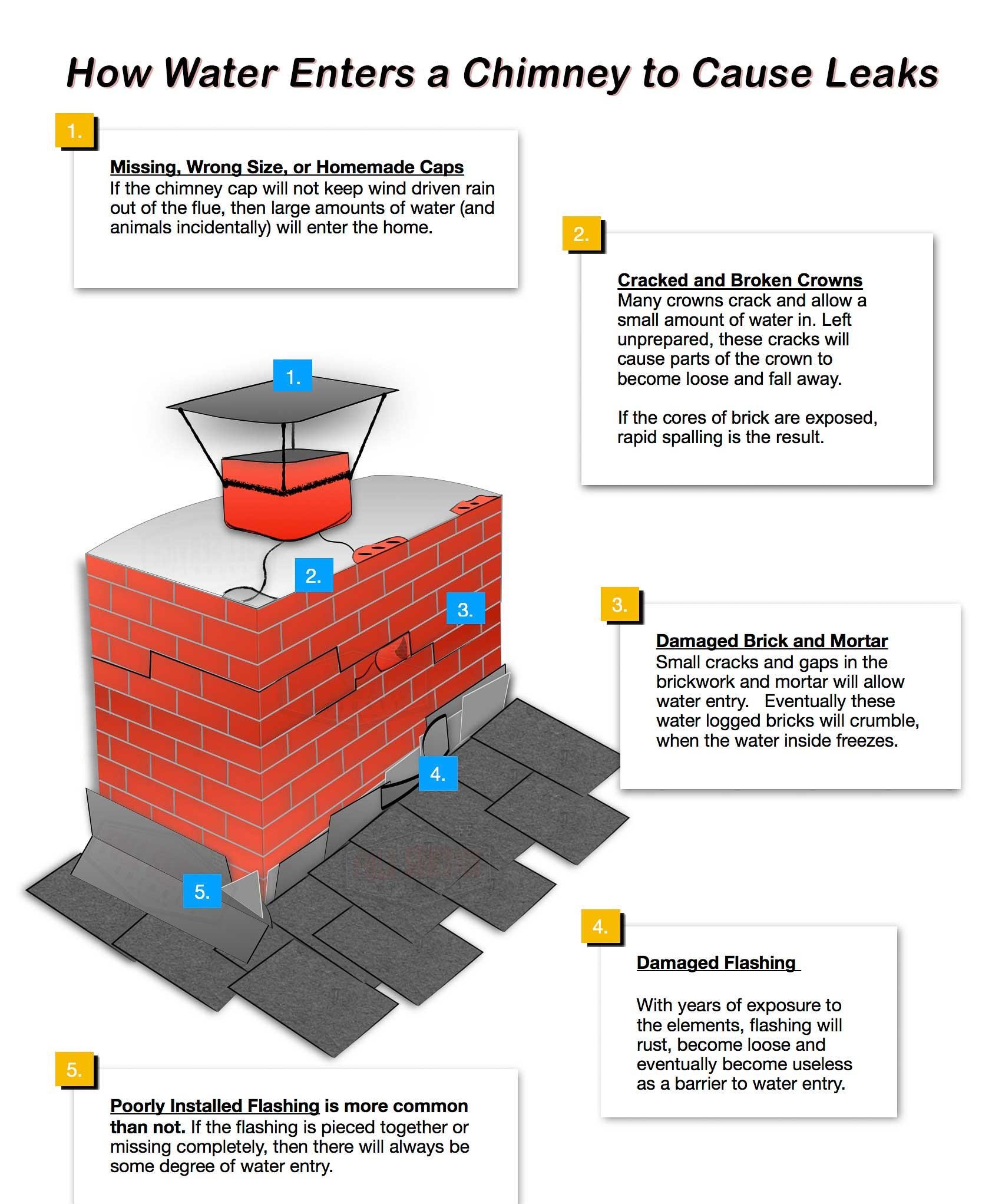

The Chimney Crown:
Concrete is meant to act as a protective barrier. But once it cracks—whether from weather, age, or poor installation—rainwater can easily enter those openings. Even very small hairline cracks can allow moisture in.
Concrete naturally absorbs some water because it’s porous. When cracks are present, they accelerate this process by:
-
Letting water bypass the surface
-
Allowing deeper, faster penetration into the structure
Once inside, water moves downward into:
-
Brick or stone
-
Mortar joints
This can lead to:
-
Interior leaks
-
Staining
-
Deterioration of mortar (called spalling or erosion)
Flashing:
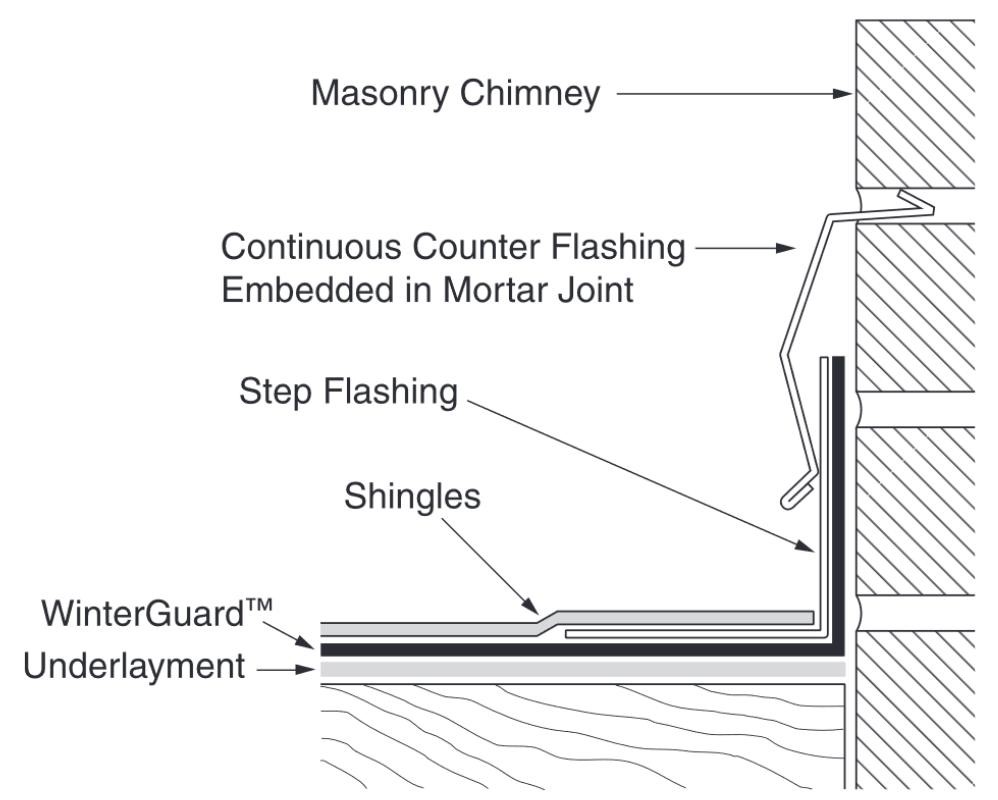
Flashing isn’t just one piece—it’s a layered system of metal parts that work together:
-
-
Step flashing
Small L-shaped metal pieces layered with each row of shingles along the sides of the chimney. These guide water down the roof instead of letting it run into the joint.
-
Counter flashing
Installed into the mortar joints of the chimney and overlaps the step flashing. This is what actually seals the system and protects the top edge from water intrusion.
-
Base flashing (front)
A single piece at the front (downhill side) of the chimney that directs water away.
-
Cricket or saddle (on larger chimneys)
A small peaked structure behind the chimney that diverts water around it instead of letting it pool.
-
Missing Chimney Cap:
Without a cap, your chimney is essentially an open pipe to the sky. There’s nothing stopping rain, debris, or even animals from going straight down into your flue and masonry system.
A properly installed chimney cap sits on top of the flue and acts as a protective cover. It typically includes a metal lid and mesh sides, allowing smoke to escape while keeping unwanted elements out.
What happens without a cap
-
Rainwater pours directly in
Water doesn’t just hit the top—it goes straight down the flue, soaking the interior and contributing to damage in the firebox, damper, and masonry.
-
Debris buildup
Leaves, twigs, and dirt can collect inside, leading to blockages and poor airflow.
-
Animal entry
Birds, squirrels, and raccoons often see an open chimney as a perfect nesting spot.
-
Accelerated deterioration
Constant exposure to moisture speeds up rusting components and breaks down mortar joints.
On a stick-built chimney (wood-framed with siding or chase), the metal top—often called a chase cover or chimney cap—acts like a roof over the entire structure. When that metal rusts, it stops protecting and starts letting water in.
How rust turns into leaks
-
Rust eats through the metal
Over time, exposure to rain and weather causes the cap to corrode. Eventually, it develops pinholes or larger openings, allowing water to pass straight through.
-
Seams and edges fail first
The weakest points are usually the corners, seams, and where the flue pipe comes through. Once rust starts there, water can slip in even during light rain.
-
Water drops directly into the chimney system
Unlike masonry chimneys, a chase cover protects a framed structure. When it fails, water doesn’t just sit on top—it falls directly into the chase, reaching:
-
Wood framing
-
Insulation
-
Fireplace components
-
Porous Brick/Mortar:
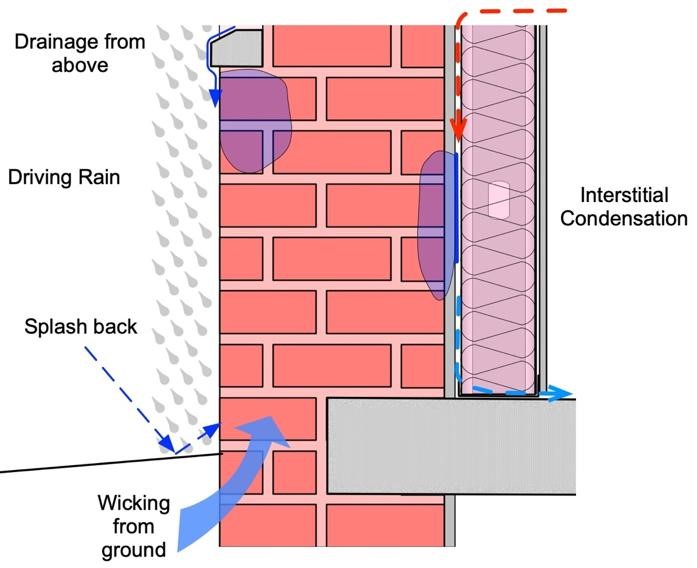
Brick may look solid, but it’s actually highly porous—more like a sponge than a solid block. When it rains, brick and mortar joints absorb water and hold onto that moisture. Over time, this leads to:
-
Interior leaks
-
White staining (efflorescence)
-
Cracking and deterioration
-
Mold and mildew issues
And just like a sponge, once it’s saturated, it takes a long time to dry out—especially in shaded or humid conditions.
To properly protect masonry, it’s not enough to just “seal over” the problem. Professional waterproofing and tuckpointing address the root issue:
-
Tuckpointing removes damaged or deteriorated mortar joints and replaces them with new, properly sealed mortar.
-
Waterproofing treatments (breathable sealants) are then applied to repel water while still allowing trapped moisture to escape.
This combination:
-
Stops water from entering in the first place
-
Restores structural integrity
-
Extends the life of the chimney or masonry